English
 Türkçe

FRESCOES
Fresco and Kalem İşi: Where the Soul of the Wall Meets Art
Fresco is derived from the Italian word for "fresh." It is a wall-painting technique where mineral pigments are mixed with water and applied directly onto wet lime plaster. What makes this technique unique is the carbonatization process that occurs as the plaster dries; the paint does not merely sit on the surface but chemically binds with the plaster, becoming an integral part of the wall itself.
Kalem İşi (Hand-drawn decoration) is one of the most elegant expressions of Turkish architectural ornamentation. Historically applied using fine brushes called "kalem," this art can be found on walls, ceilings, wood, or stone. Unlike the fresco, Kalem İşi is typically applied to dry plaster. Therefore, the paint does not soak in but rests as a noble, delicate layer on the surface. While traditional pigments were bound with linseed oil or egg white, modern applications often utilize specialized water-based paints.
The Distinction: A fresco "marries" the wall, becoming one with it. Kalem İşi, however, is like a silk dress draped over the wall—standing as a graceful and refined layer on the surface.
The Story of Art at Fresco Cave Suites
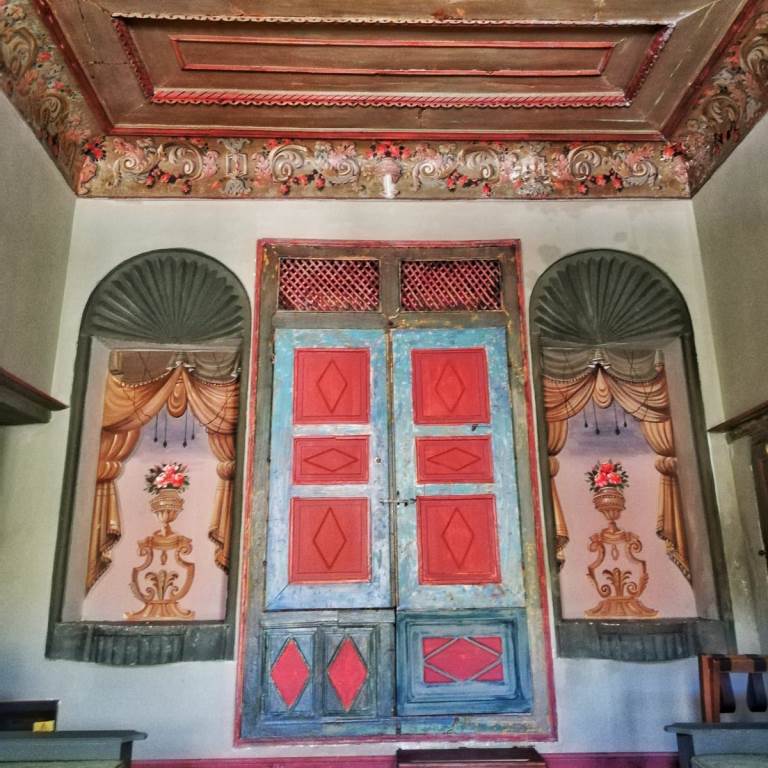
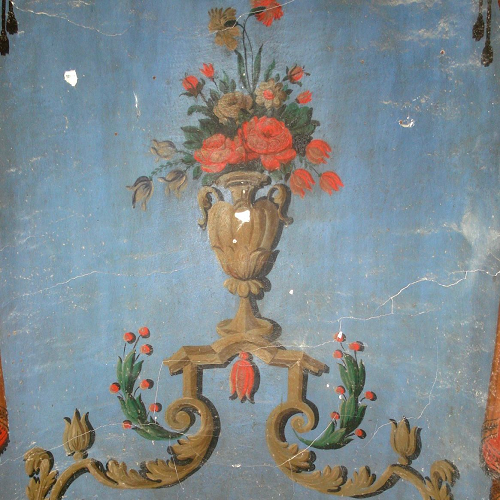
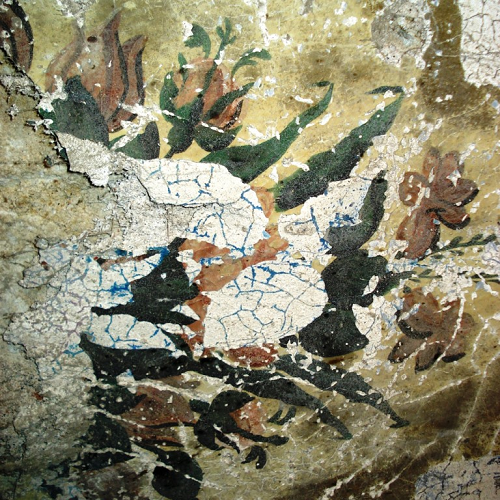
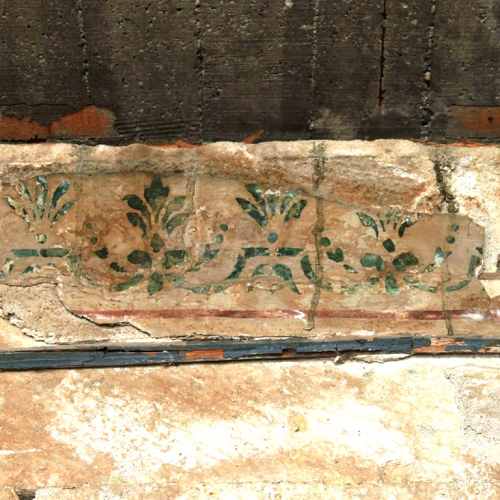
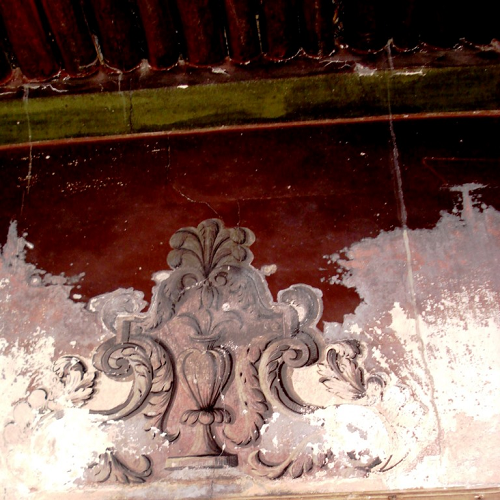
When examining the details of the paintings within our hotel, it is clear they are masterfully executed Kalem İşi decorations. These works, created by Rumi masters of the period, were so highly valued that the original owner of the mansion paid 1 Gold Lira (approximately $100 in today’s currency) for every single meter of artwork.
Because the mansion is located in a breezy canyon, the road passing in front of Fresco Cave Suites was once a major route for shepherds. Recognizing that the dust raised by the herds negatively affected the delicate paintings, the owner would pay the shepherds to redirect their flocks—either past the mosque or through the city center, depending on the wind direction. According to the former owners, these artworks were treated with immense care during annual spring cleanings, gently wiped with vinegar-infused water to preserve their brilliance.
Symbolism and Meaning: A Window to Paradise
Unlike many other mansions in Cappadocia, our hotel was originally a Turkish-Muslim residence. Therefore, the artwork was shaped by specific spiritual sensibilities:
-
Avoidance of Figuration: In the Turkish-Islamic art tradition, depictions of living beings (human or animal) were avoided in living spaces to prevent "idolatry." Instead, artists channeled their mastery into symbolic floral (nebatat) and geometric patterns.
-
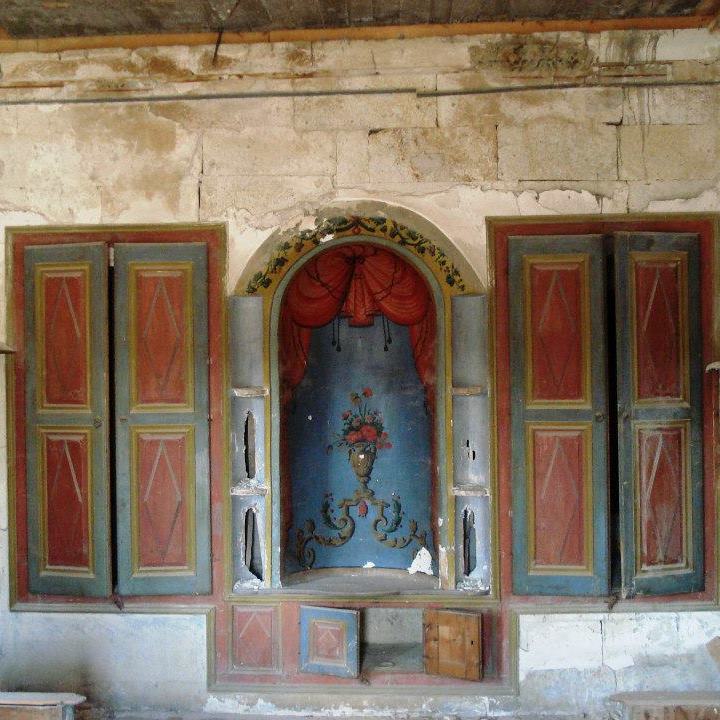
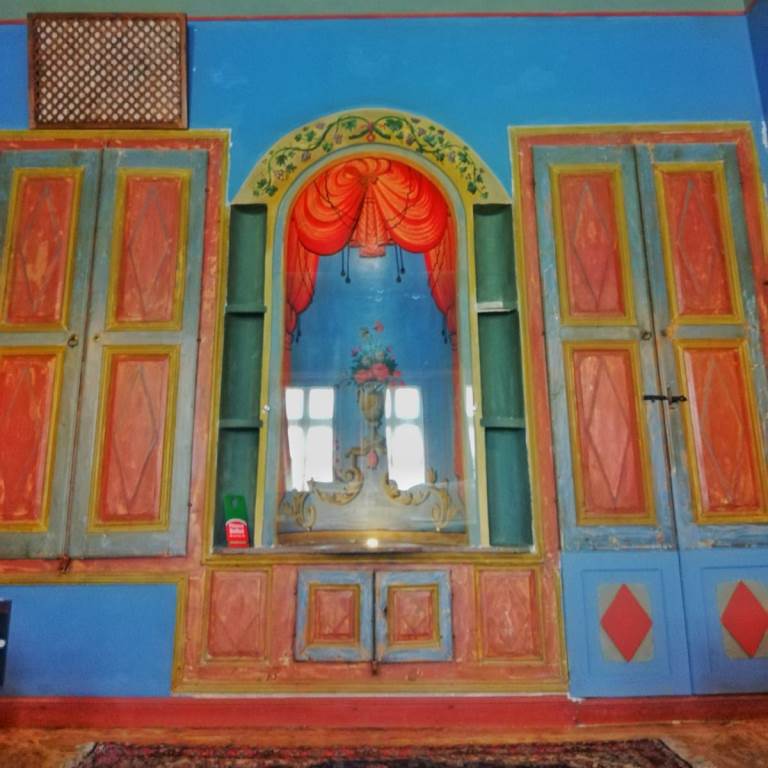
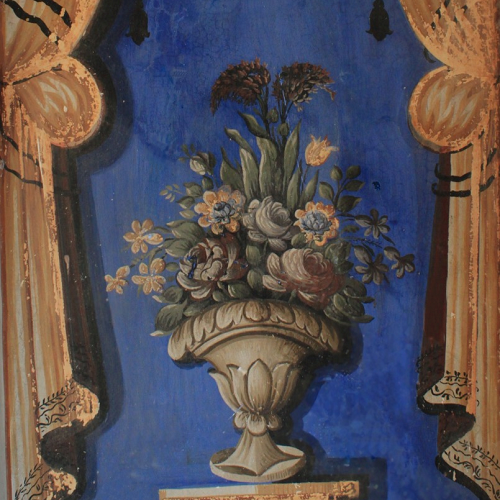
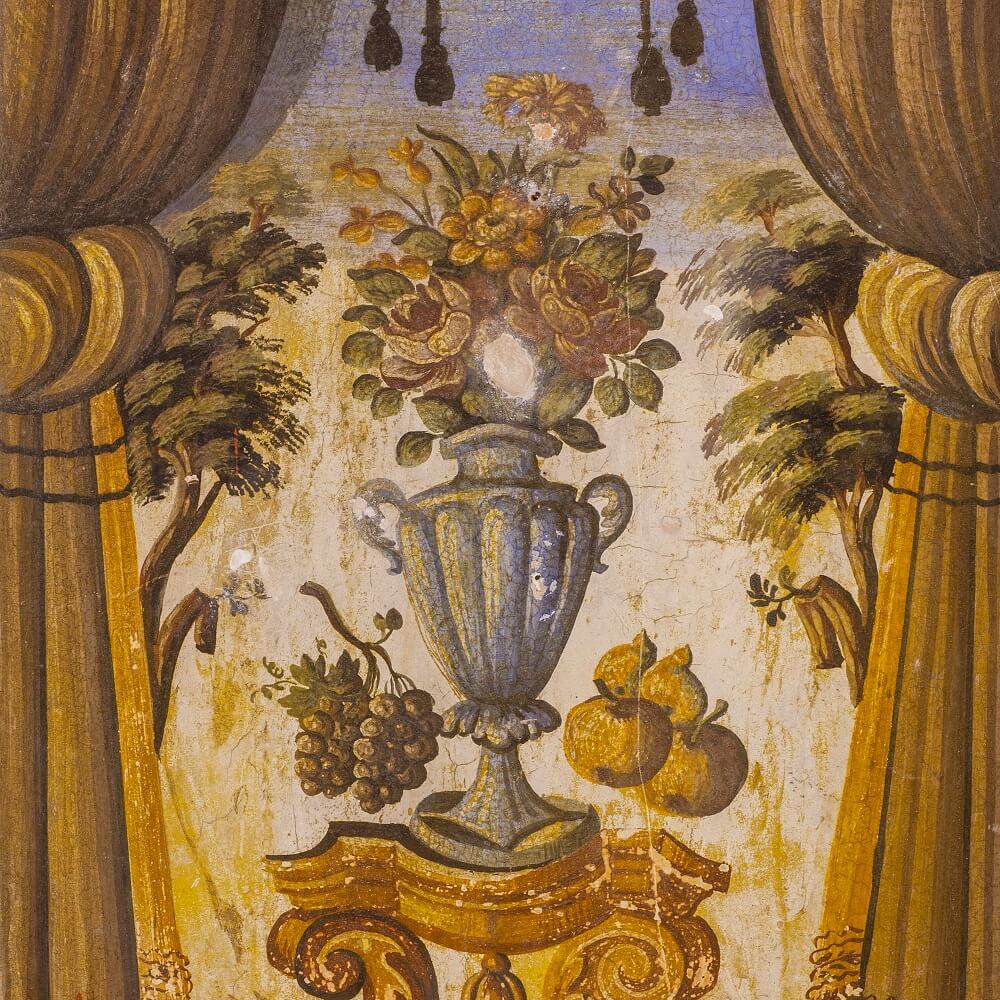
The "Curtain" (Drapery) Motif: In art history, the curtain represents the "threshold between the visible world and the spiritual (inner) world." The depiction of curtains drawn open symbolizes a mystery being revealed, abundance entering the home, and a transition to spiritual serenity—a metaphorical "Glimpse of Paradise."
-
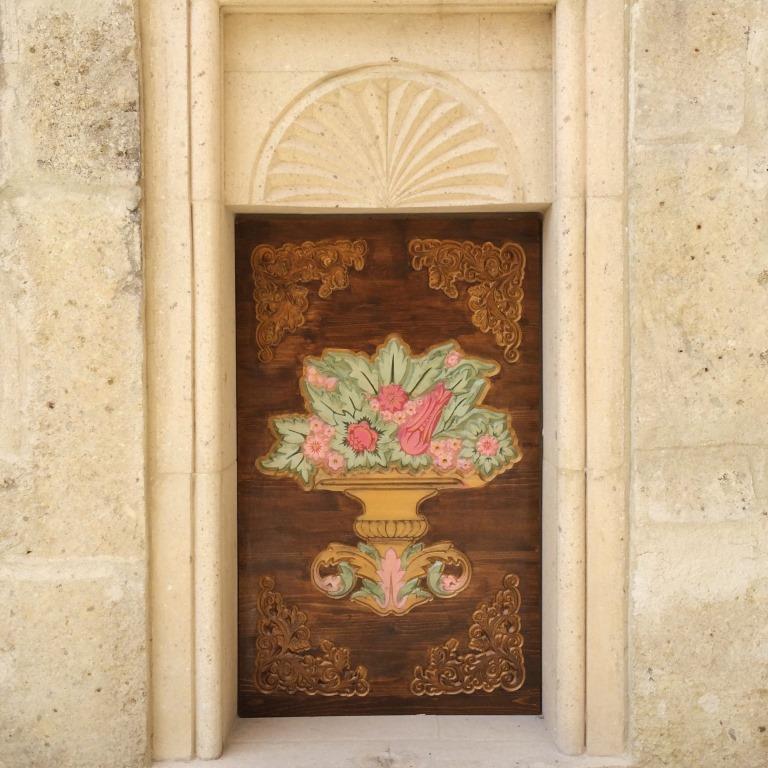
Vases of Flowers and Fruits: Overflowing vases, clusters of grapes, and various fruits are direct symbols of the "Garden of Paradise" (Ravza). In Ottoman Kalem İşi, these still-life compositions were created to invite peace, abundance, and eternal happiness into the home.
Artistic Heritage and Modern Touchpoints
At Fresco Cave Suites, you can witness both original historical works and modern interpretations that honor this legacy:
| Room / Area | Details and Artists |
| Rooms 202, 203, 205, 102, & 302 | These rooms house our original, historical Kalem İşi decorations. |
| Room 205 | Interestingly, these are our best-preserved works; they were protected for years behind a layer of plaster applied when an Imam resided in the room. |
| Rooms 201, 209, 303, 304, & 305 | The ceiling border decorations were created in 2014 by artist Kaan Sarı. |
| Room 209 (Niche) | The painting within the niche was crafted by a Georgian master (the sculptor of Sacred House). |
| Reception & Various Niches | Paintings in the reception area and niches of rooms 201, 203, 205, 304, and 305 were completed in 2017 by Emel Talaz. |
| Rooms 101 & 102 | The works here were created in 2022 by Serap Lokmacı. (A historical seascape of Istanbul once existed in Room 101 but was lost to time). |
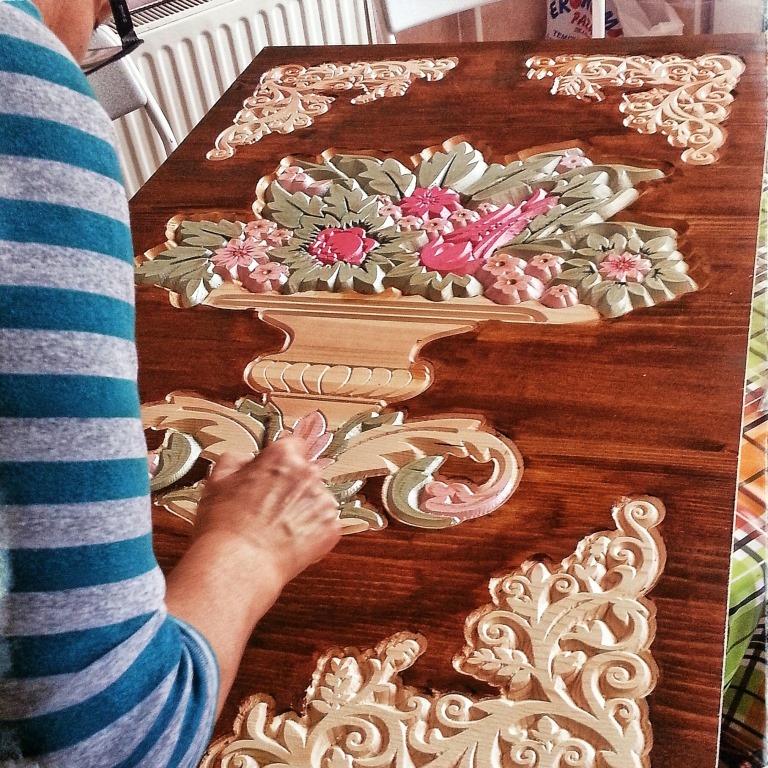
| Staircase Walls | Wooden artworks inspired by the original patterns were crafted by Ülkü and Gamze Kaya. |
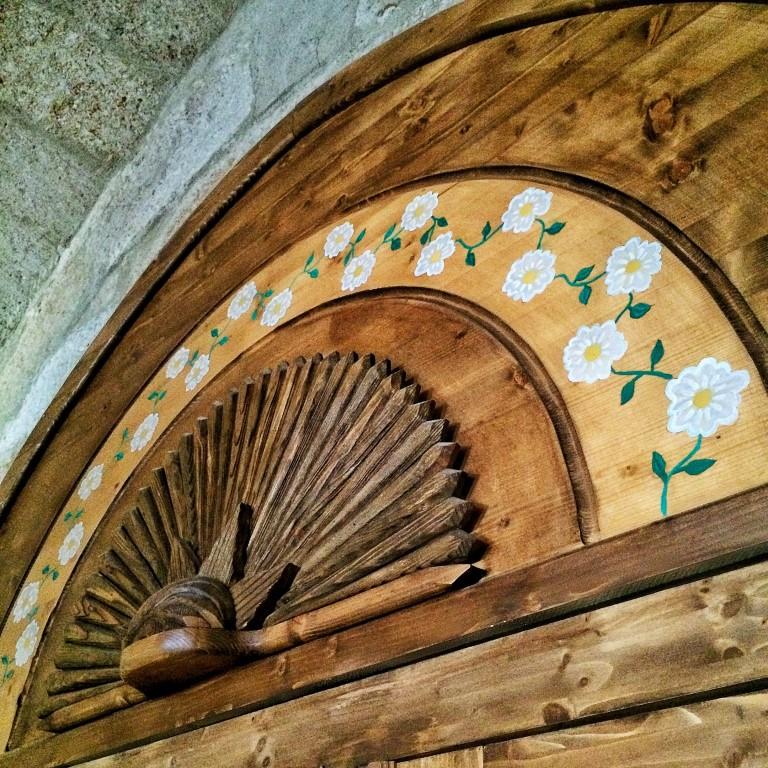
| Room 210 | The daisy motifs on the wardrobe were painted by Gamze Kaya. |